EN
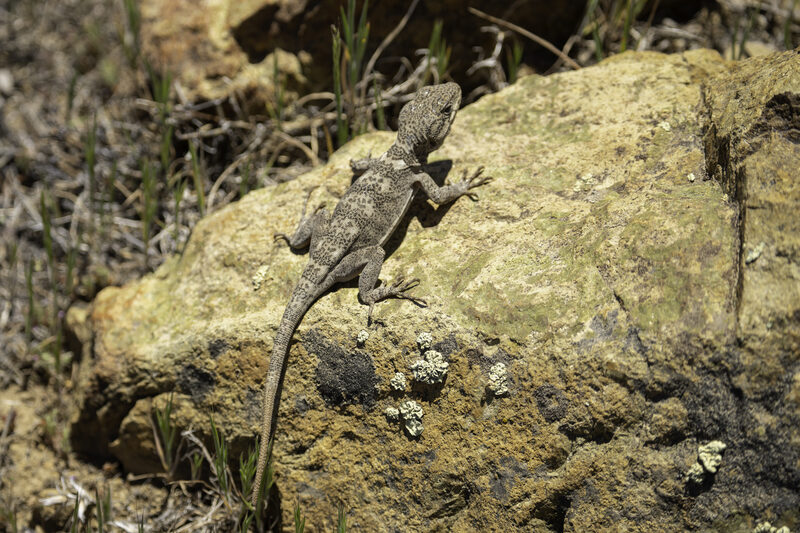
Pristidactylus volcanensis
Volcano gruñidor lizard
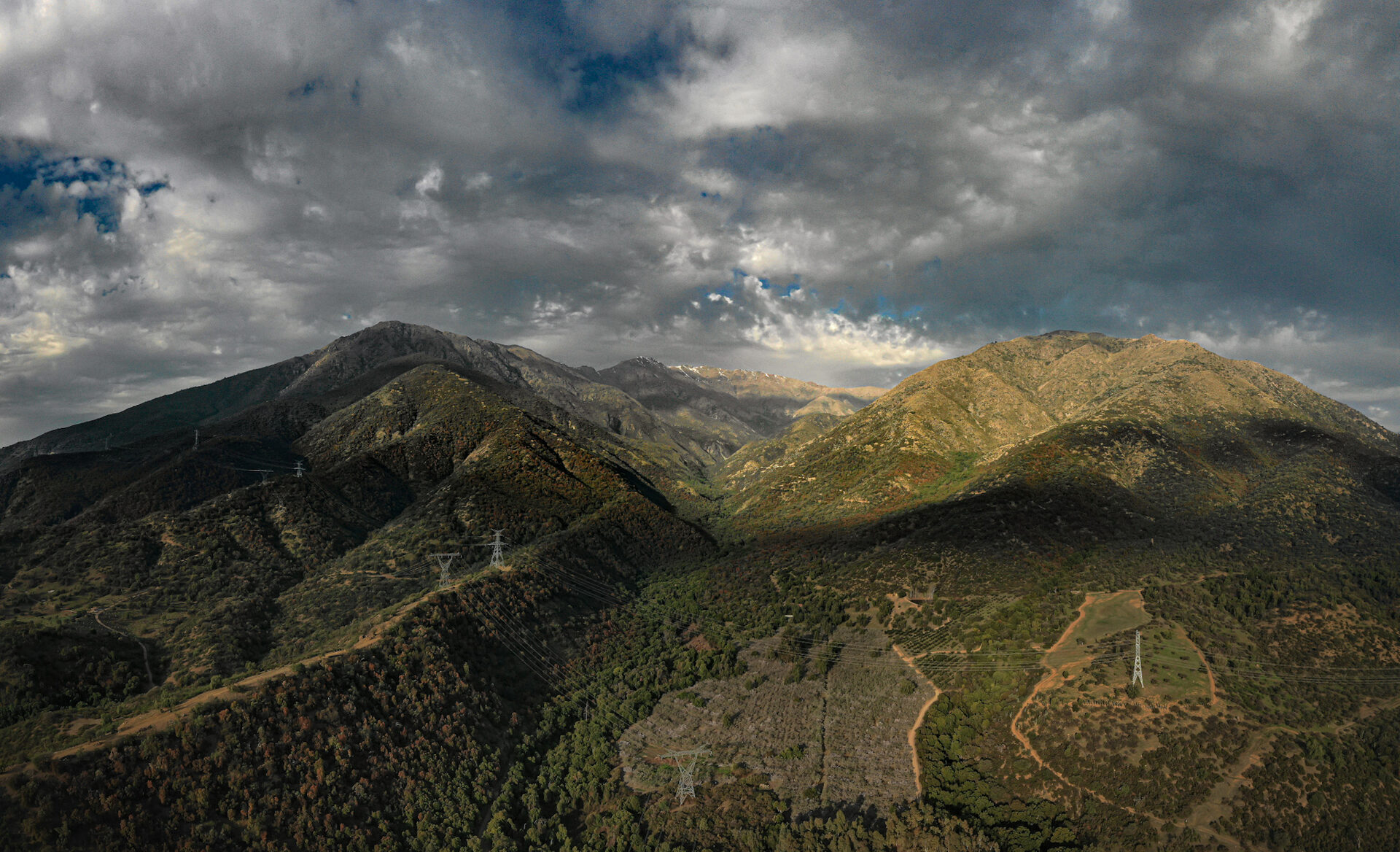
2,134 hectares of sclerophyllous and relict hygrophilous forest, protected in the heart of Chile's Mediterranean region. One of the first private areas in Chile recognized as a National Reserve under the new Biodiversity and Protected Areas Law.
El Ajial National Reserve is a Private Protected Area within Chile's National System of Protected Areas (SNAP). Located in the Paine municipality, Metropolitan Region, it encompasses 2,134 hectares of Andean piedmont within the Paine Stream sub-basin.
The area lies within the Mediterranean sclerophyllous forest ecosystem, part of one of the world's 35 biodiversity hotspots. It serves as a critical biological corridor between Río Clarillo National Park and the Altos de Cantillana Natural Reserve.
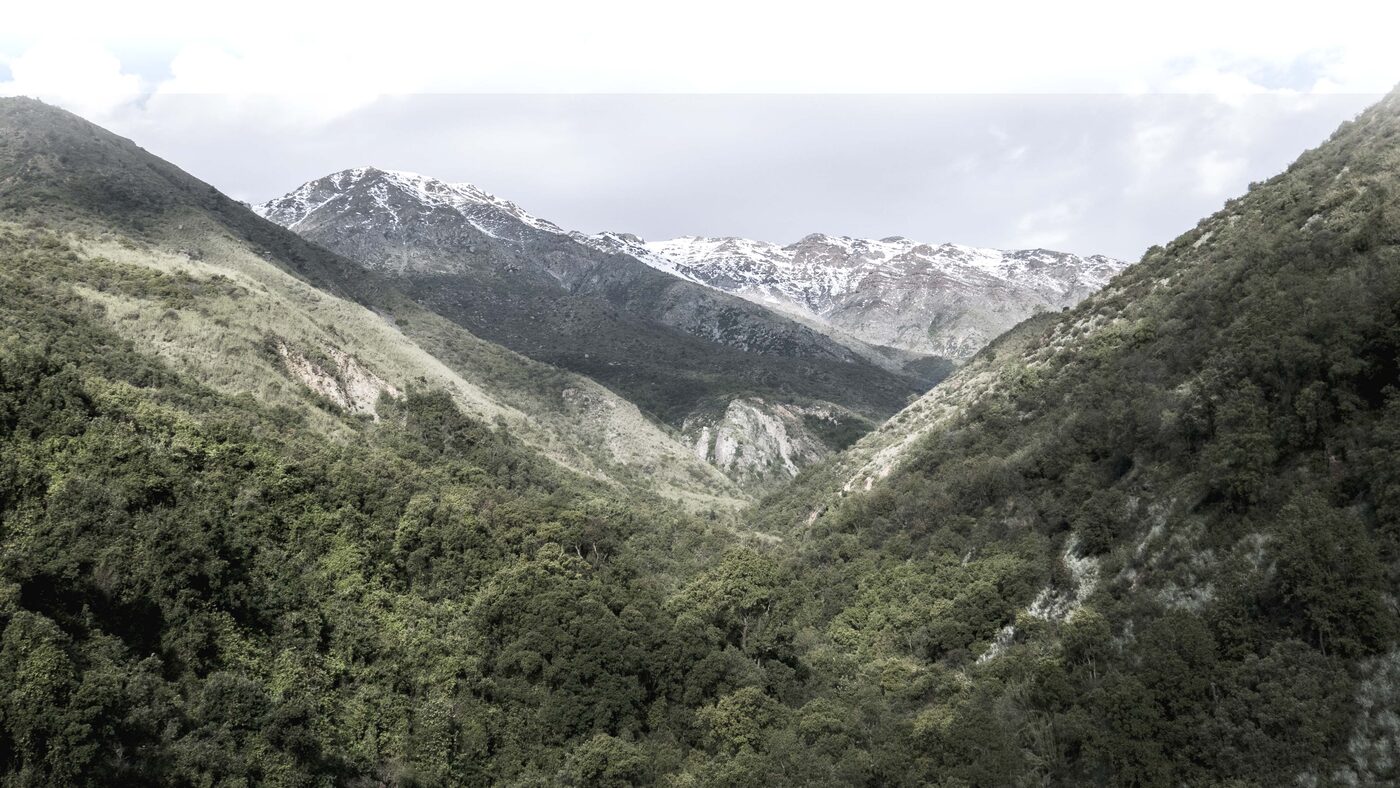
A visual journey through El Ajial National Reserve — its territory and the conservation work being carried out across its 2,134 hectares.
On 11 March 2026, the Official Gazette published Resolution No. 1,012 of the Ministry of the Environment reclassifying El Ajial as a National Reserve under Law No. 21,600. After ten years as a Nature Sanctuary, El Ajial formally joins the National System of Protected Areas (SNAP) under the non-regression principle — preserving its boundaries, surface area, and protected elements intact.
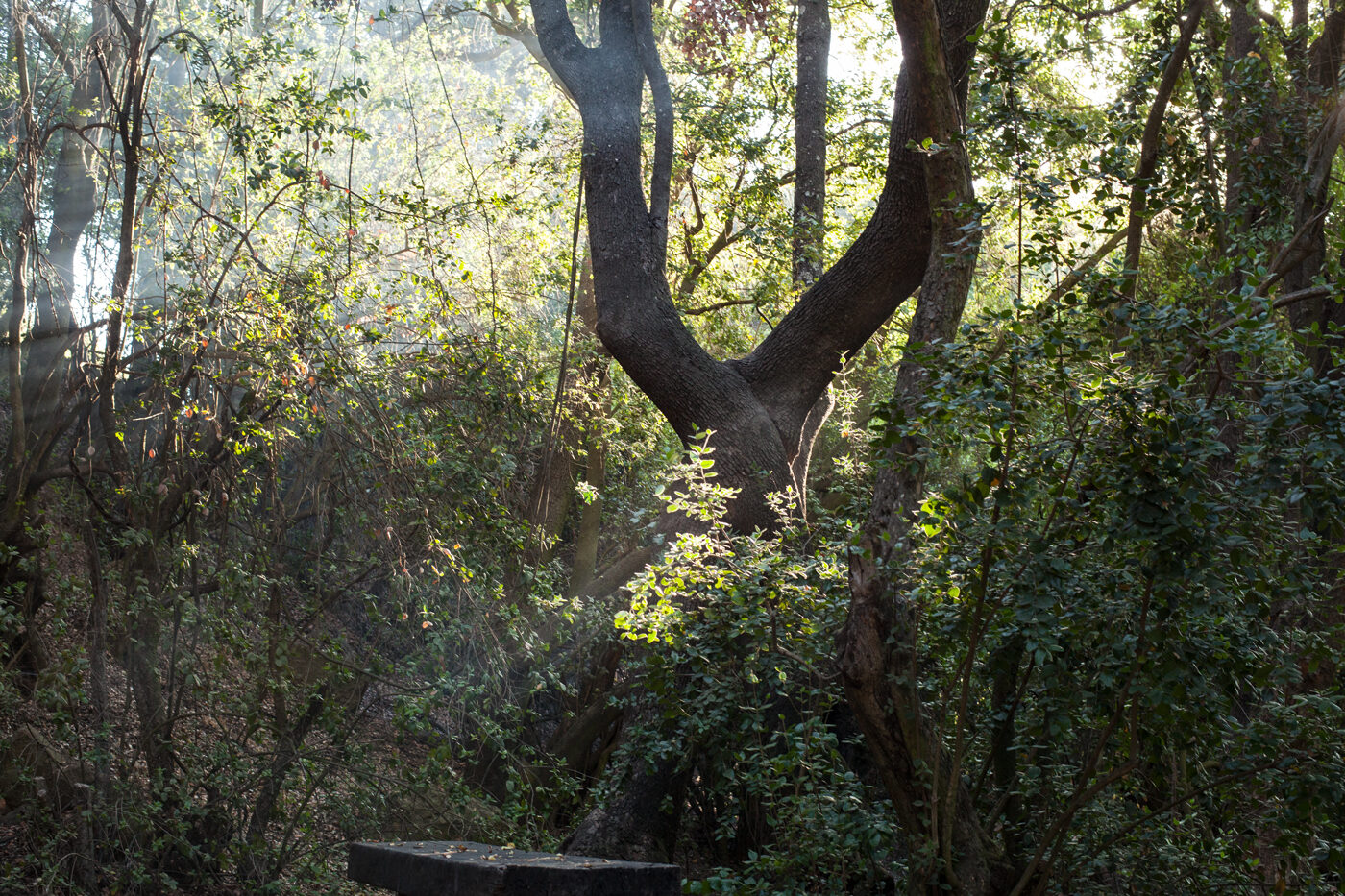
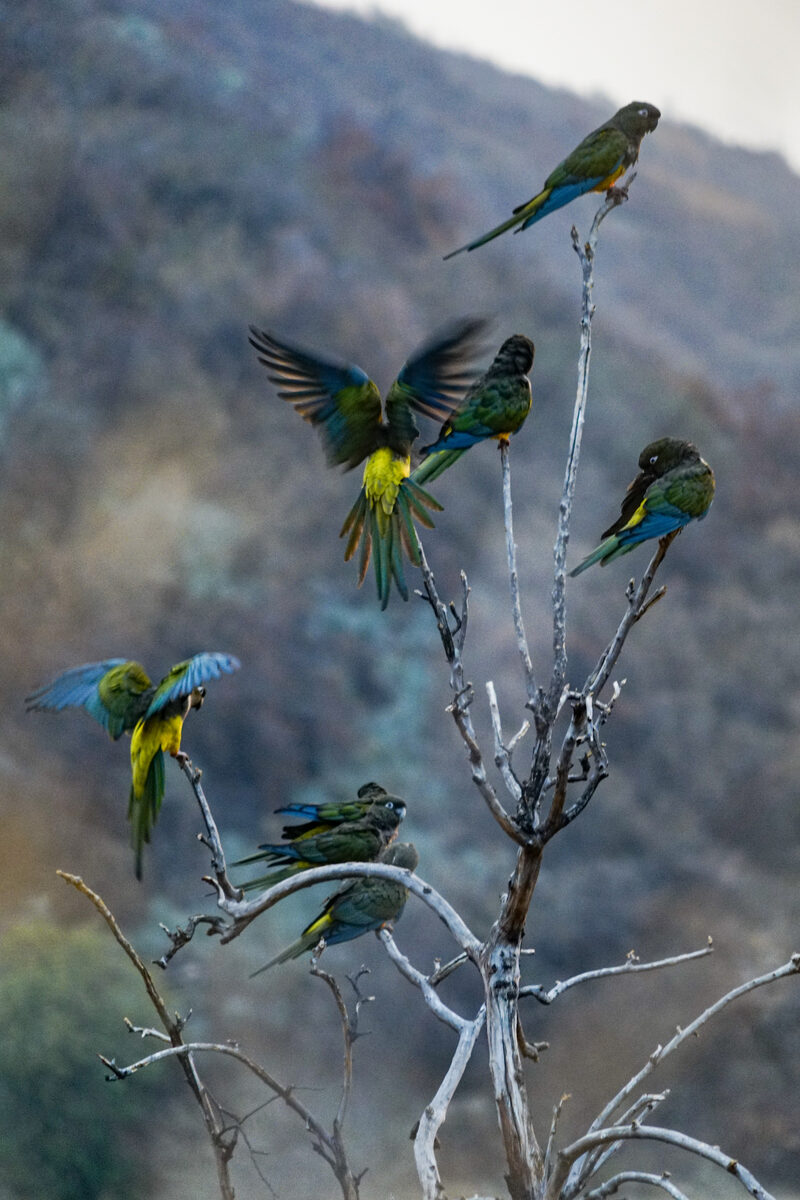
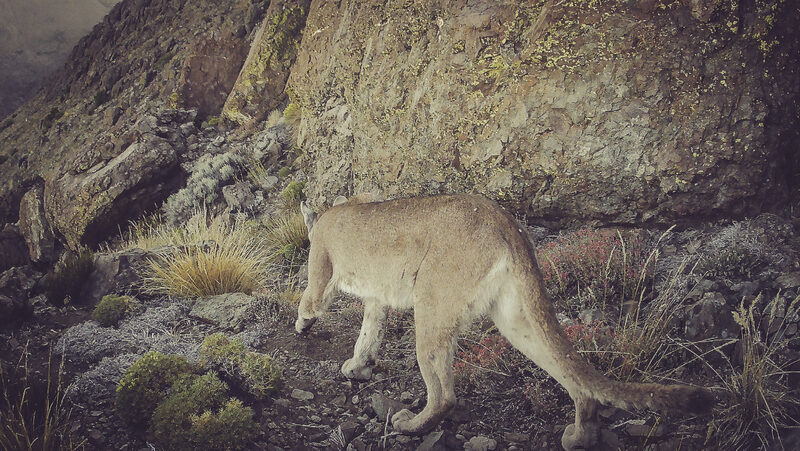
The 2026 Technical Inventory documents 462 species in the reserve. Of these, 81 hold an official classification from the Ministry of the Environment, and 37 are in threatened categories.
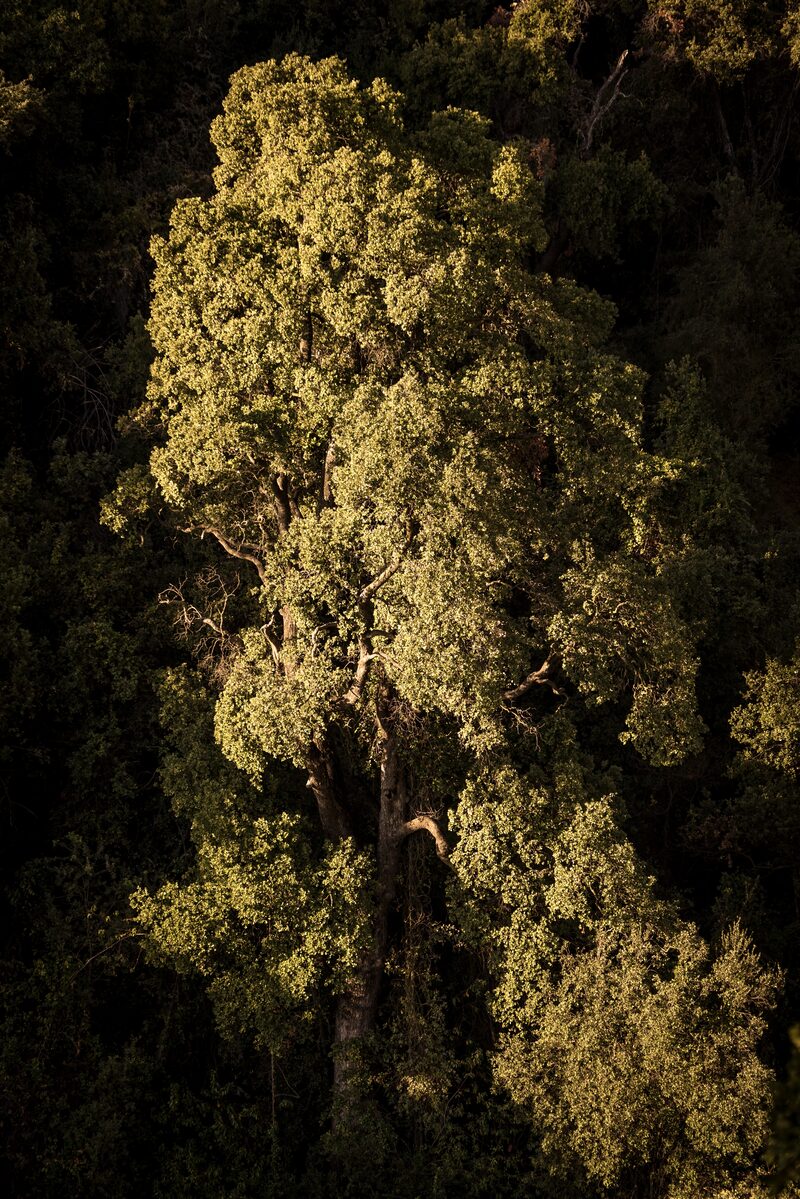
El Ajial shelters one of the country's few relict hygrophilous forests, with populations of peumo (Cryptocarya alba) considered among the oldest and longest-lived in the world.
Seven operational programs define our action for the coming decade, aligned with Law 21,600 and the 30x30 global target of the Kunming-Montreal Framework.
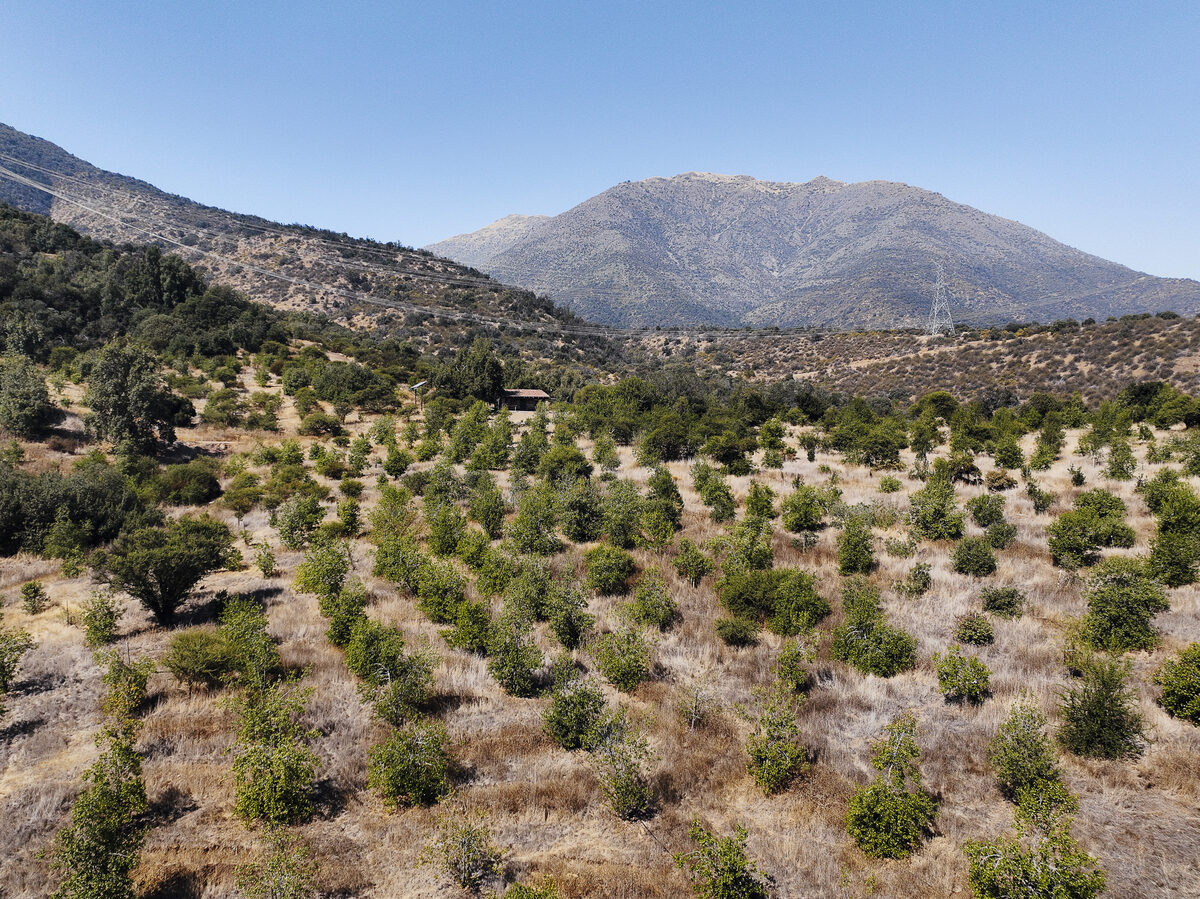
Reforestation with native species and grazing control across 320 ha by 2032, recovering habitat and soils of the sclerophyllous forest.
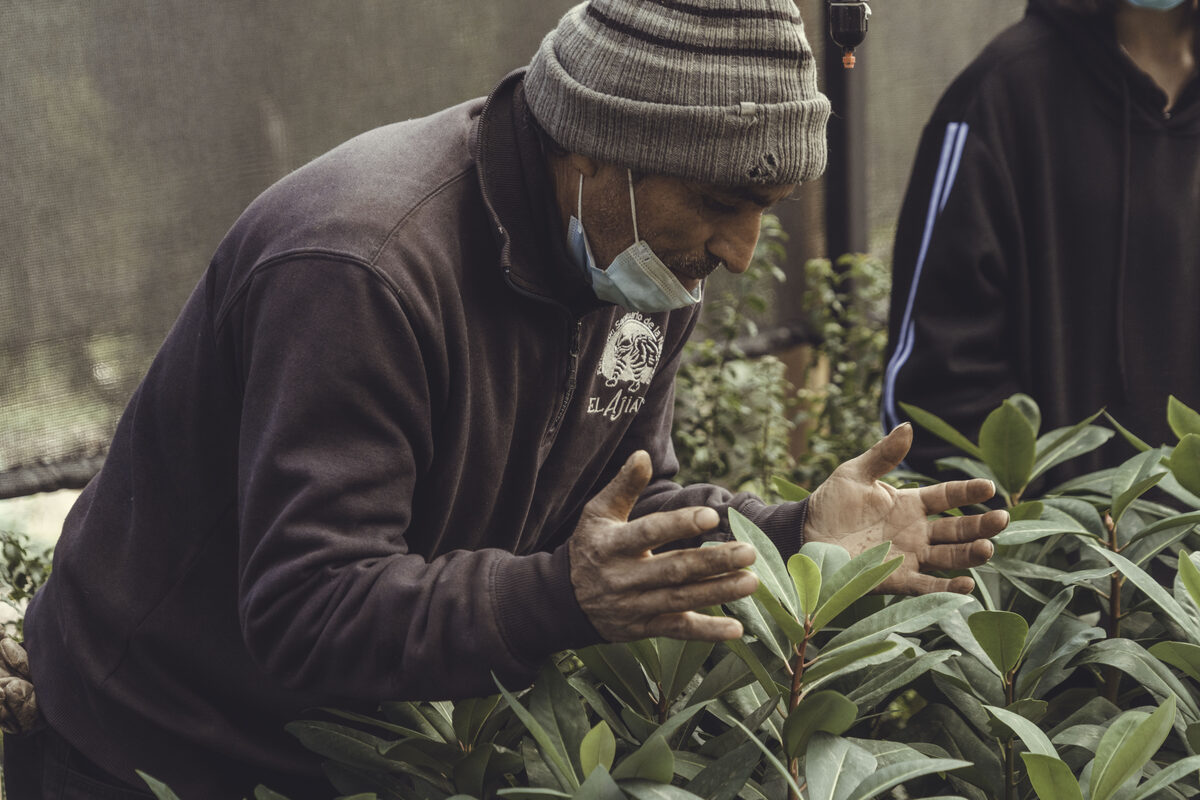
5,000 trees per year of 27 species — all from local genetics of the reserve itself. Off-grid solar system and educational space.
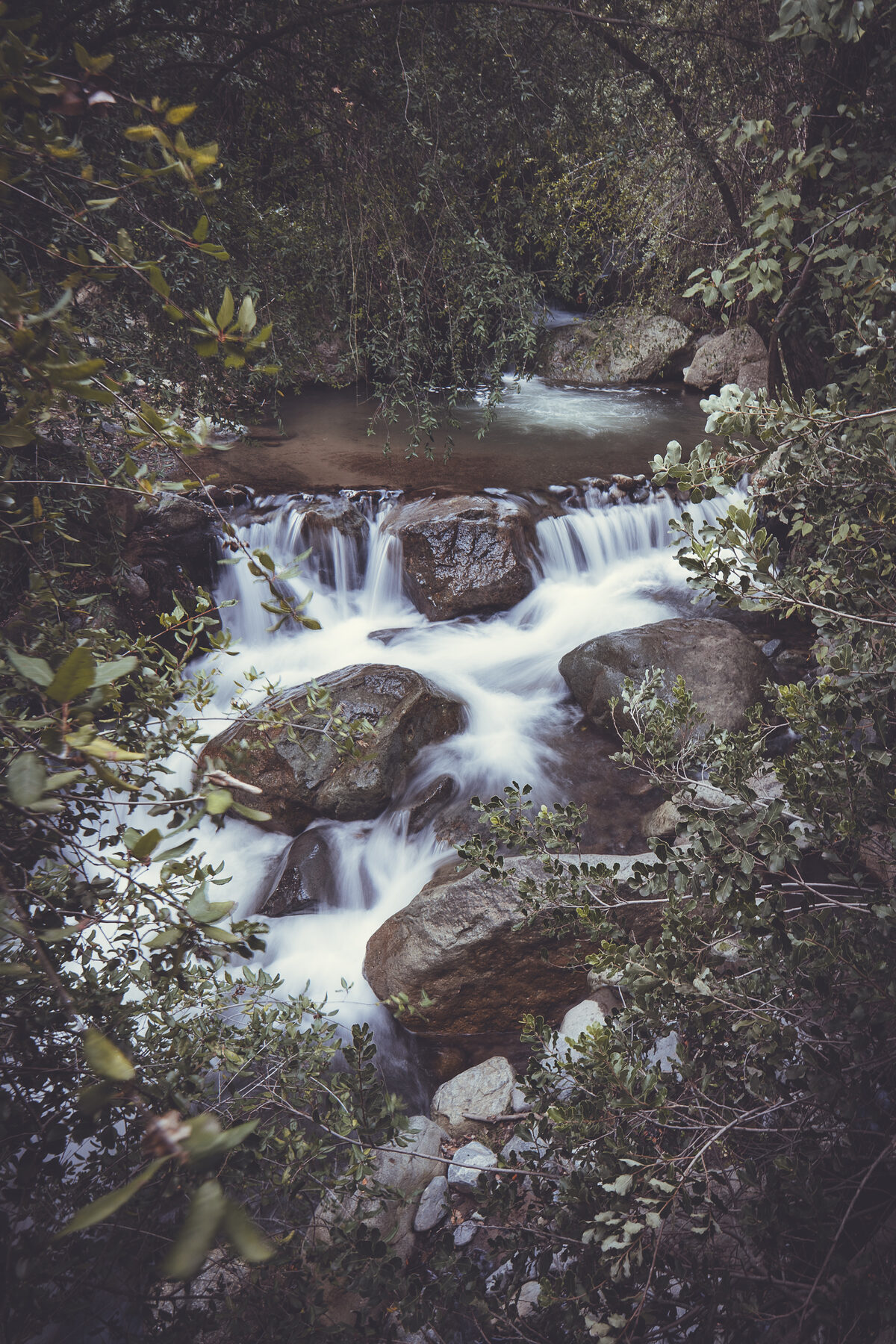
Quarterly water-quality monitoring and riparian vegetation restoration to ensure the viability of the endemic Aegla crab.
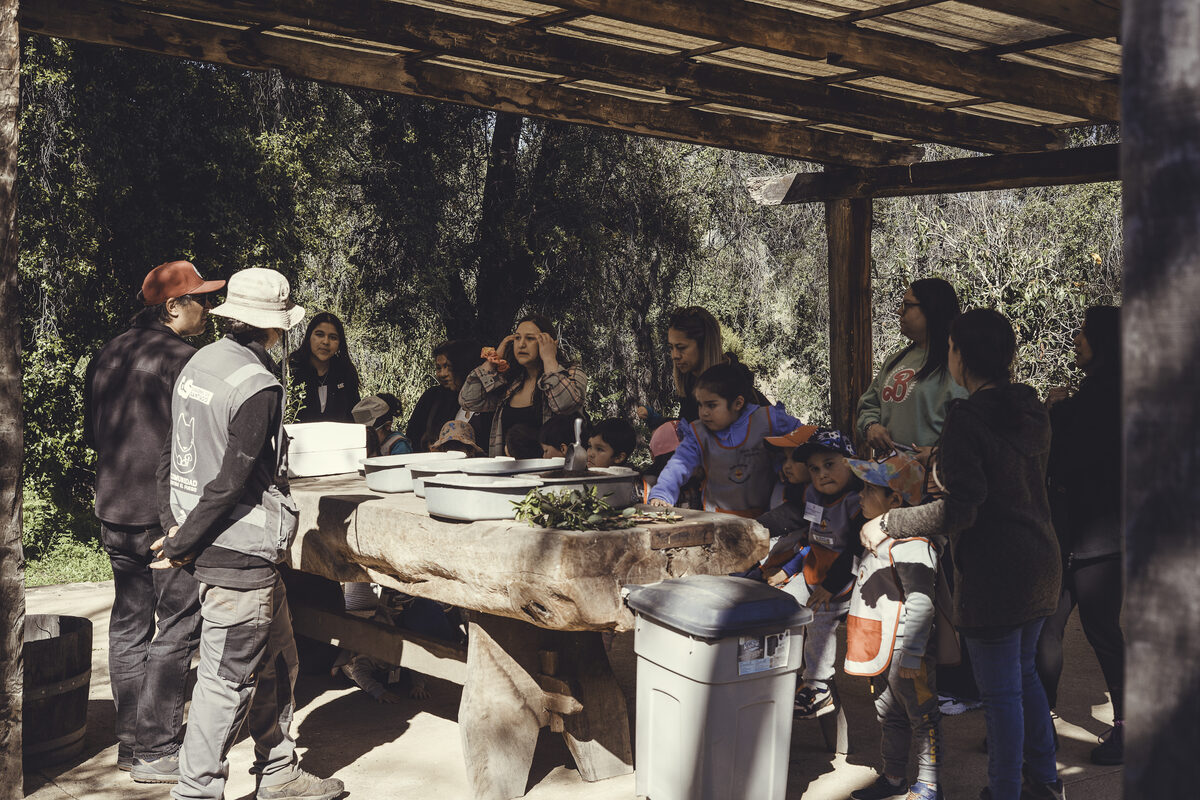
Our environmental education program welcomes about 500 students each year from schools in Huelquén, Chada and the Paine municipality, with the goal of reaching 1,000 students per year during the new Management Plan cycle.
We also organize reforestation volunteer days coordinated with universities and community organizations in zones designated for Sustainable Use.