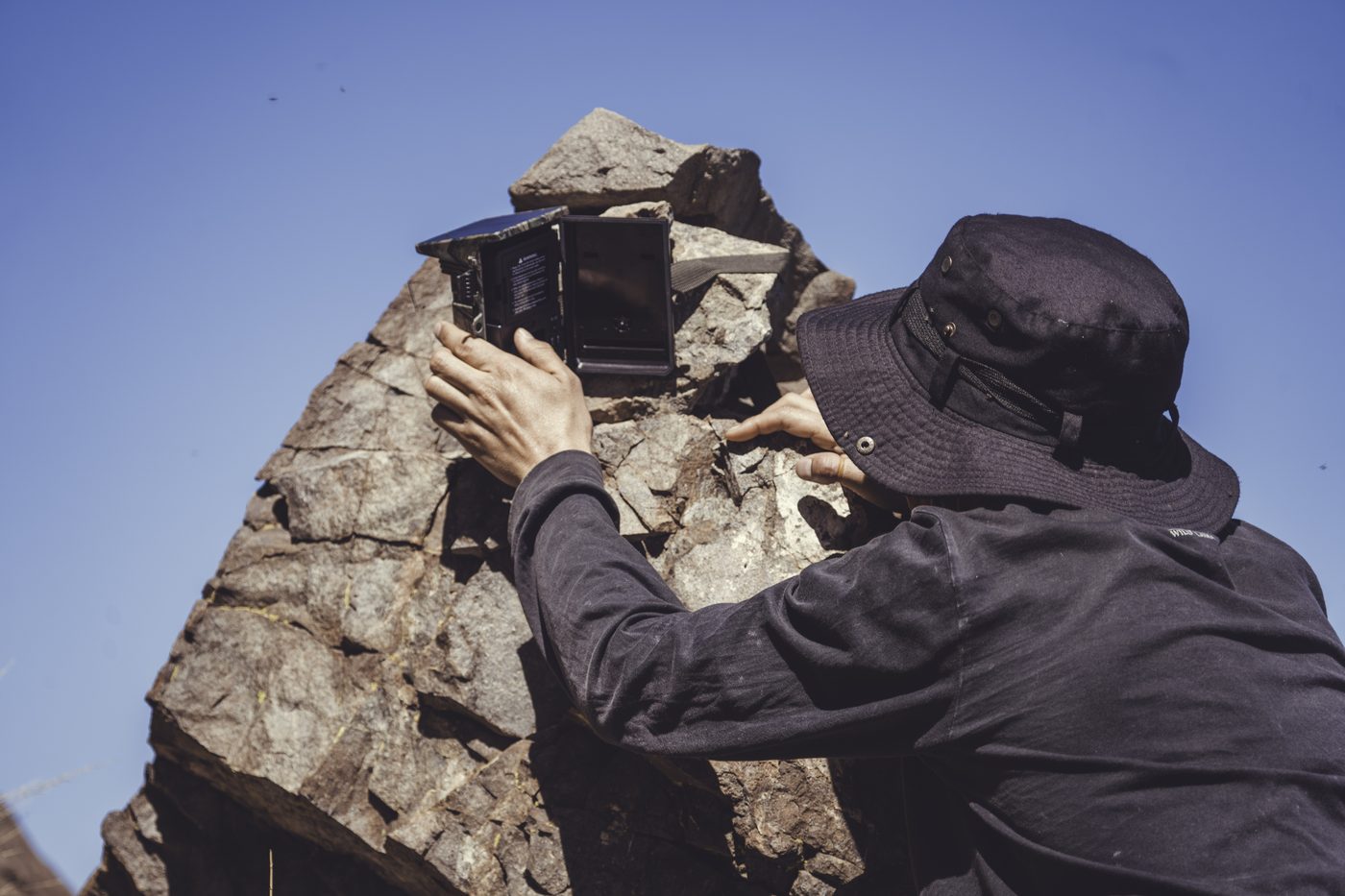
Wildlife monitoring with camera-traps
Permanent network installed across the reserve, focused on large mammals, wild felines and elusive birds.
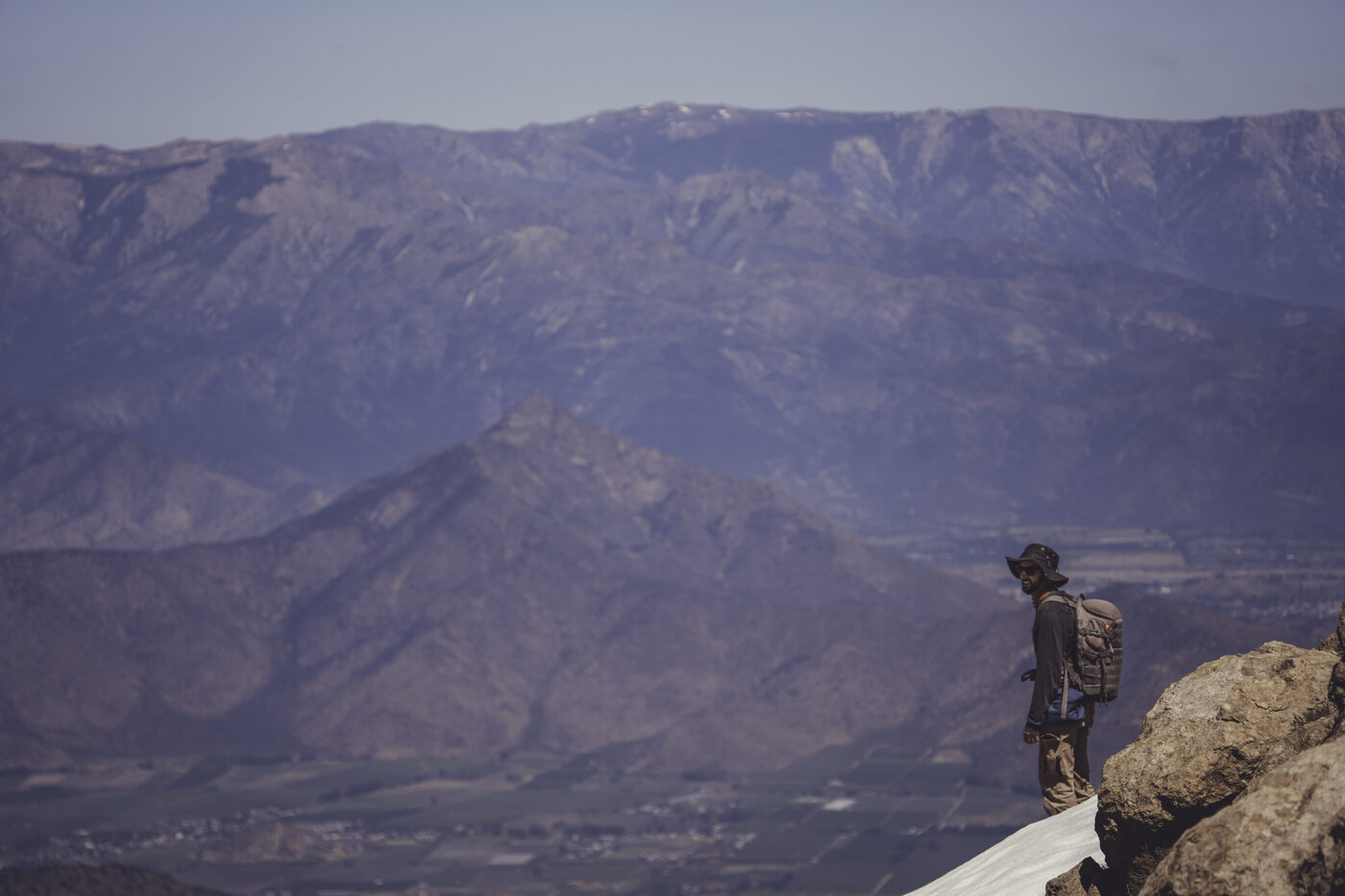
Camera-trap monitoring, quarterly hydrological surveys, herpetological studies and restoration with local genetics form our scientific evidence base.
Permanent network installed across the reserve, focused on large mammals, wild felines and elusive birds.
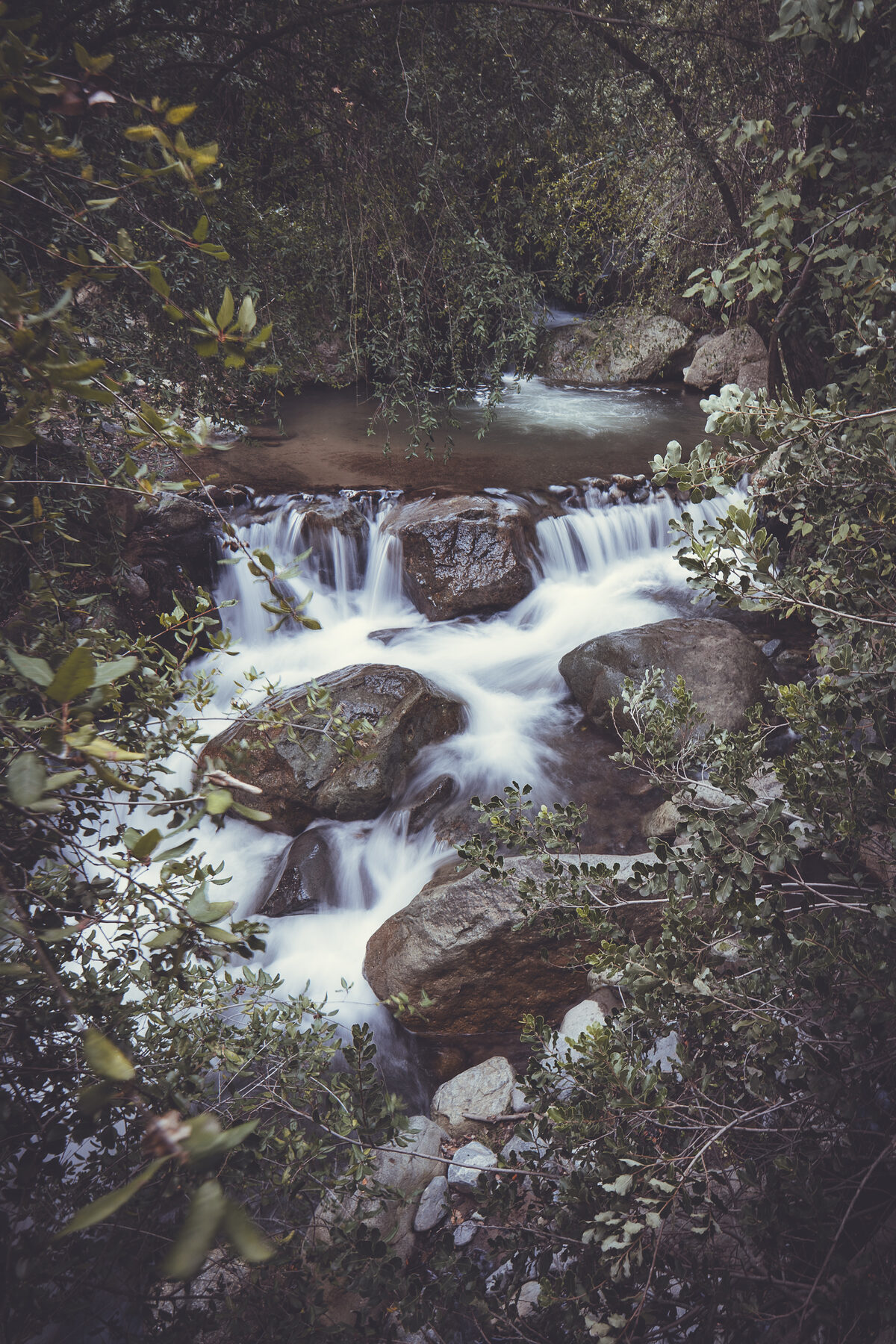
Continuous study of the endemic Aegla as a bioindicator of water quality and stream health.
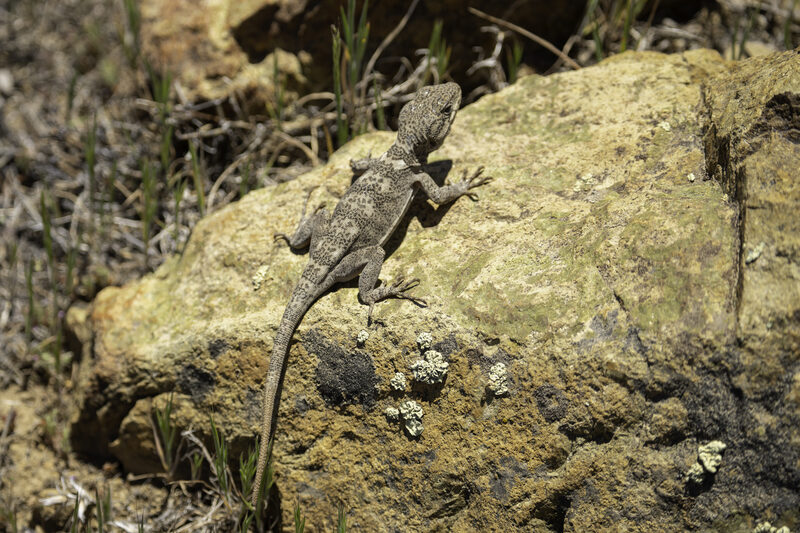
Research on amphibians and reptiles, including the recent discovery of the volcano gruñidor lizard Pristidactylus volcanensis.
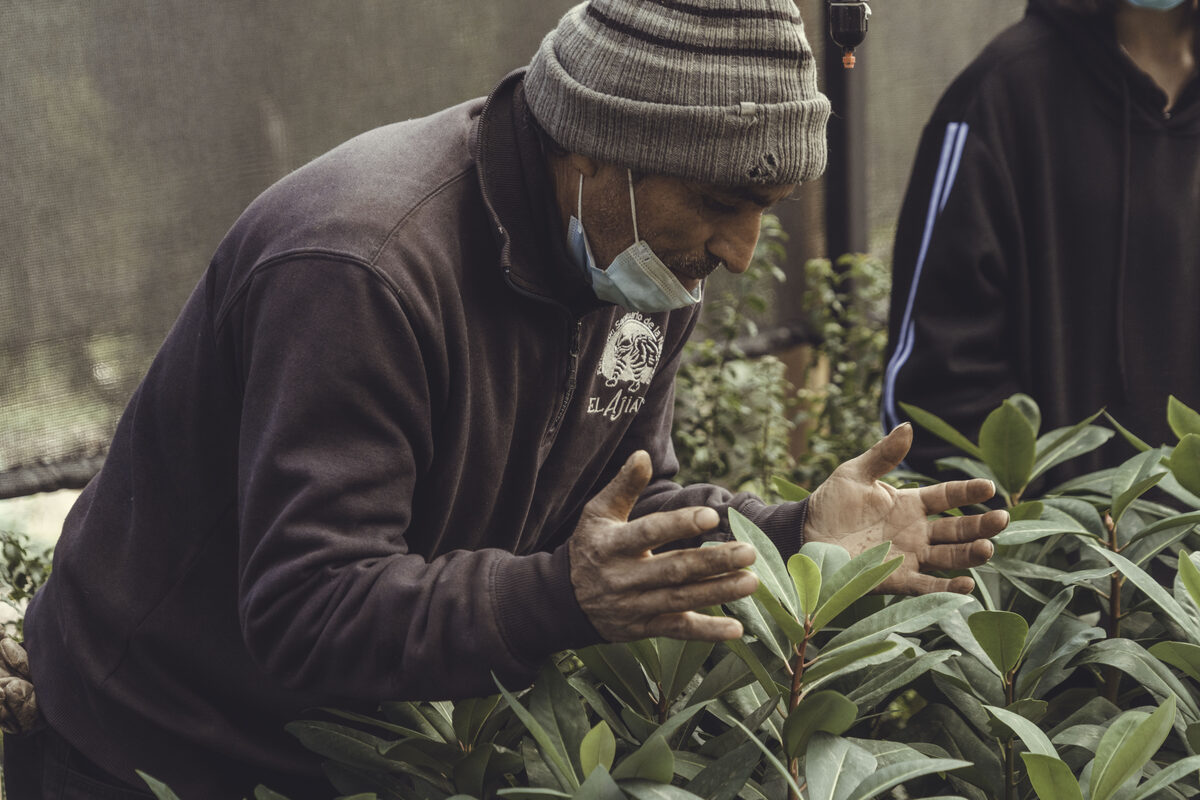
Propagation, survival and growth trials of native species using genetic material collected from within the reserve.
Recent monitoring in the upper reserve confirmed the presence of the volcano gruñidor lizard (Pristidactylus volcanensis), a species classified as Endangered. The finding represents a new, previously unrecorded population and a significant expansion of its known distribution range.
Researchers, academic institutions and organizations interested in conducting studies within El Ajial National Reserve may request formal authorization by writing to contacto@elajial.cl.
All research must align with the 2026–2036 Management Plan objectives and comply with SBAP protocols. Please include in your request: