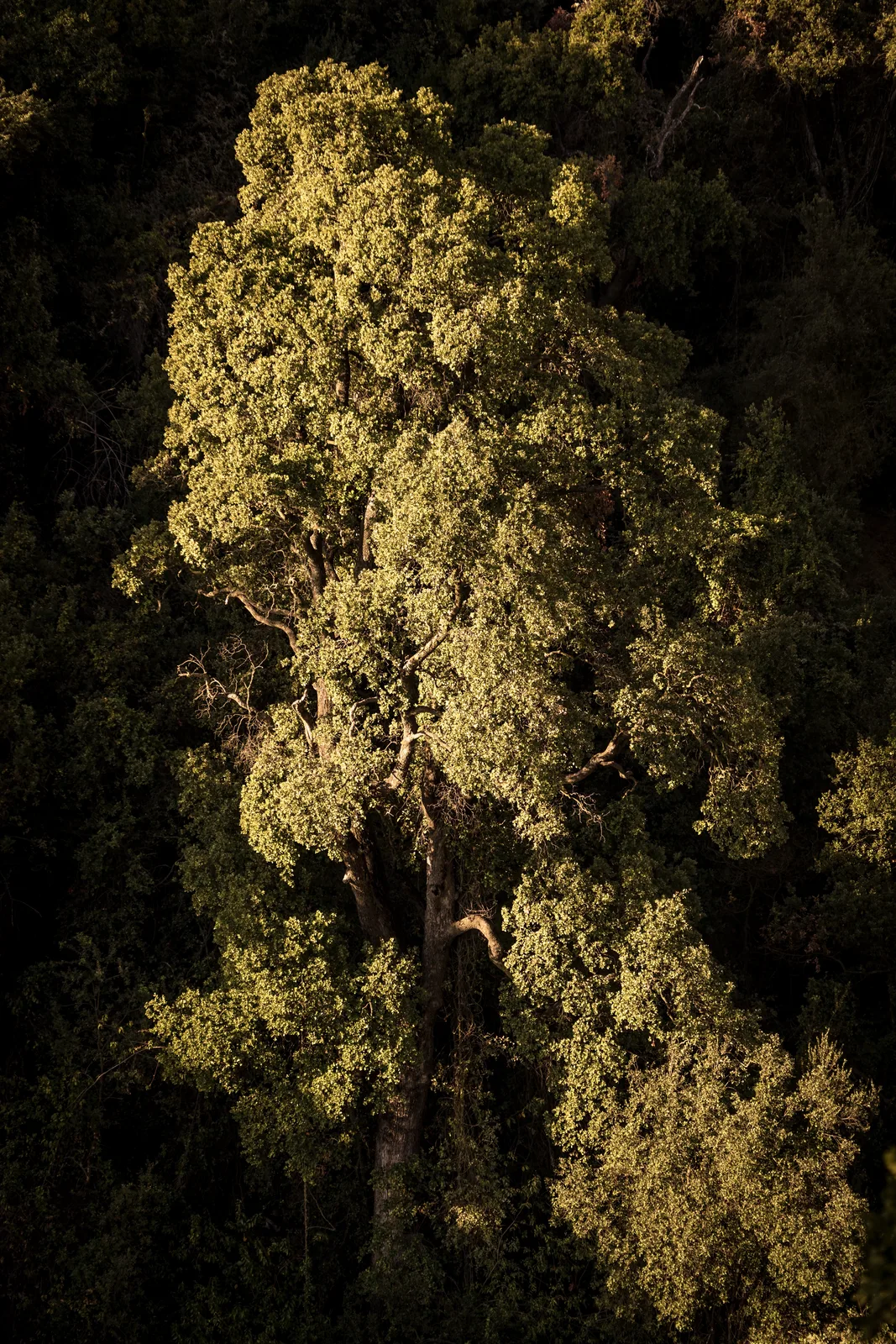
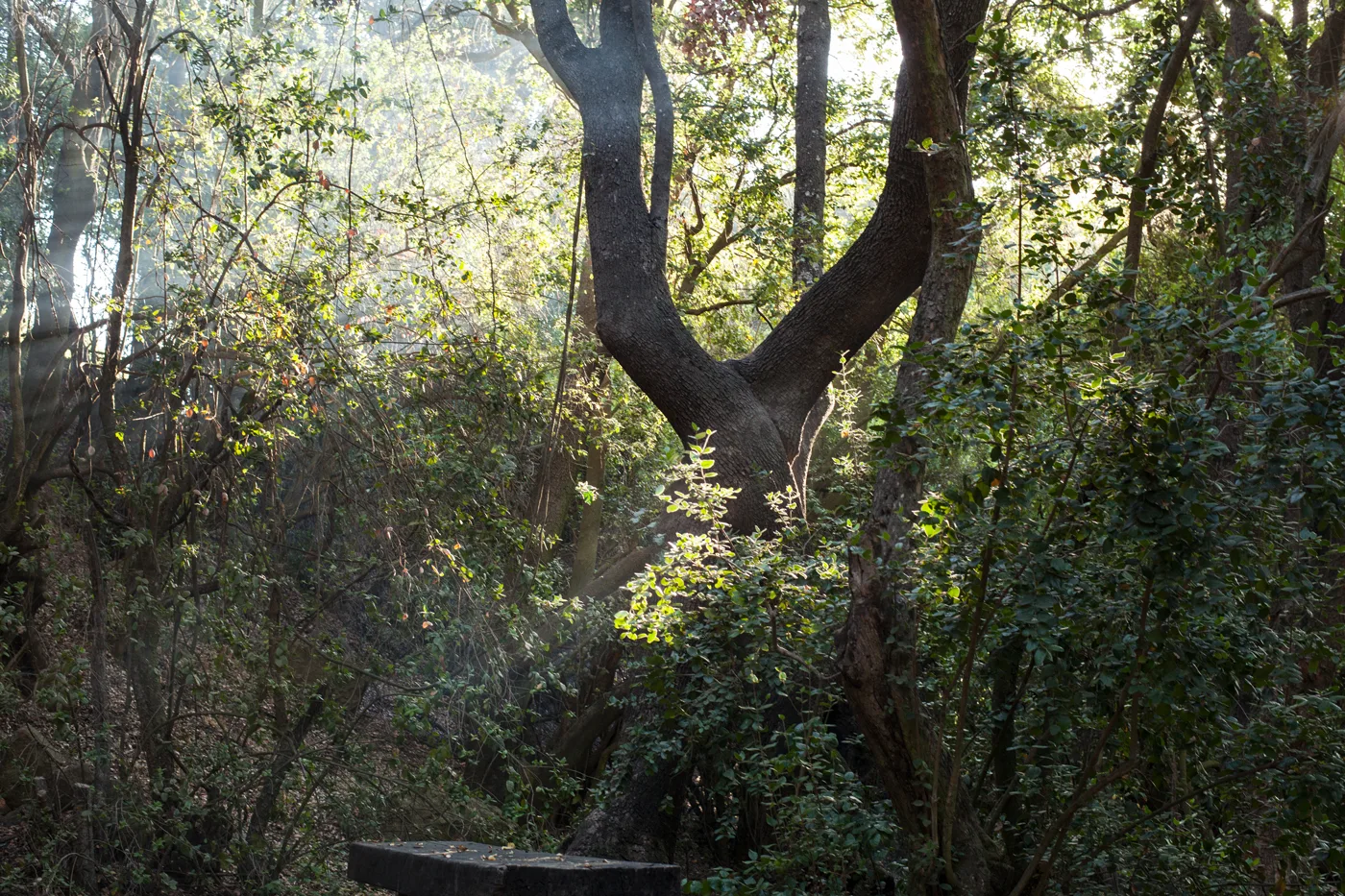
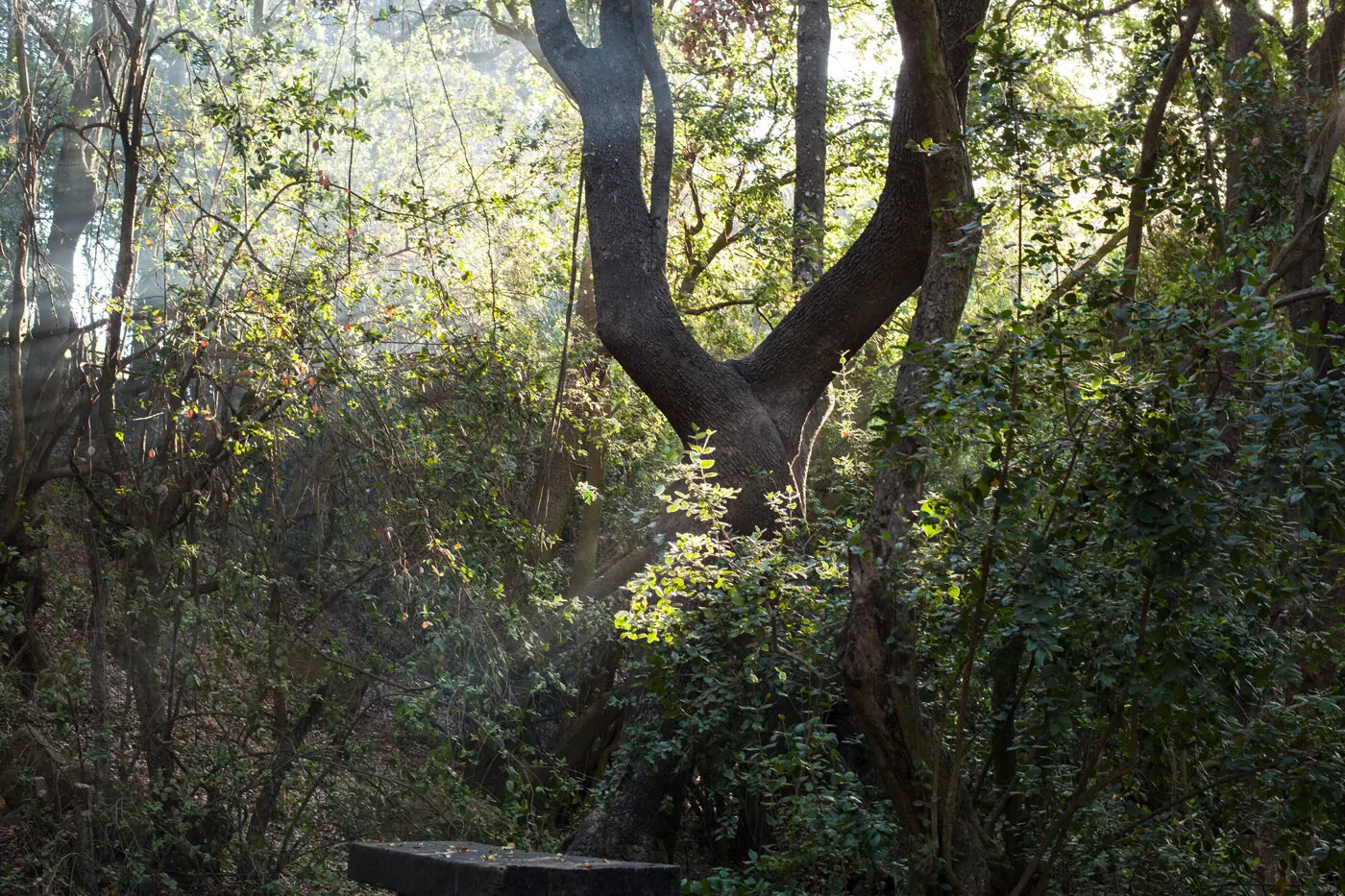
Sclerophyllous forest of the reserve
Biodiversity

489 species across 2,134 hectares of Mediterranean forest

A baseline validated against the official list of Chile's Species Classification Regulation (RCE): 98 species with a conservation category, 31 threatened in the Metropolitan Region and 263 endemic to Chile.

489
Species recorded
98
RCE-classified
31
Threatened in the region
263
Endemic to Chile
What we protect

Five conservation targets

They are the ones set by the decree that created the area (Supreme Decree No. 4/2016) and they organize the whole Management Plan. Each has a focal species, whose condition represents it, and an associated ecosystem service.

CT1 · Ecological process

Hydrological processes of the El Ajial stream and its riparian biota

Rainfall infiltration, recharge and water availability for the local ecosystem, together with the riparian vegetation that sustains them. It is the highest-ranking target: it supports the others and provides water to the Huelquén valley.

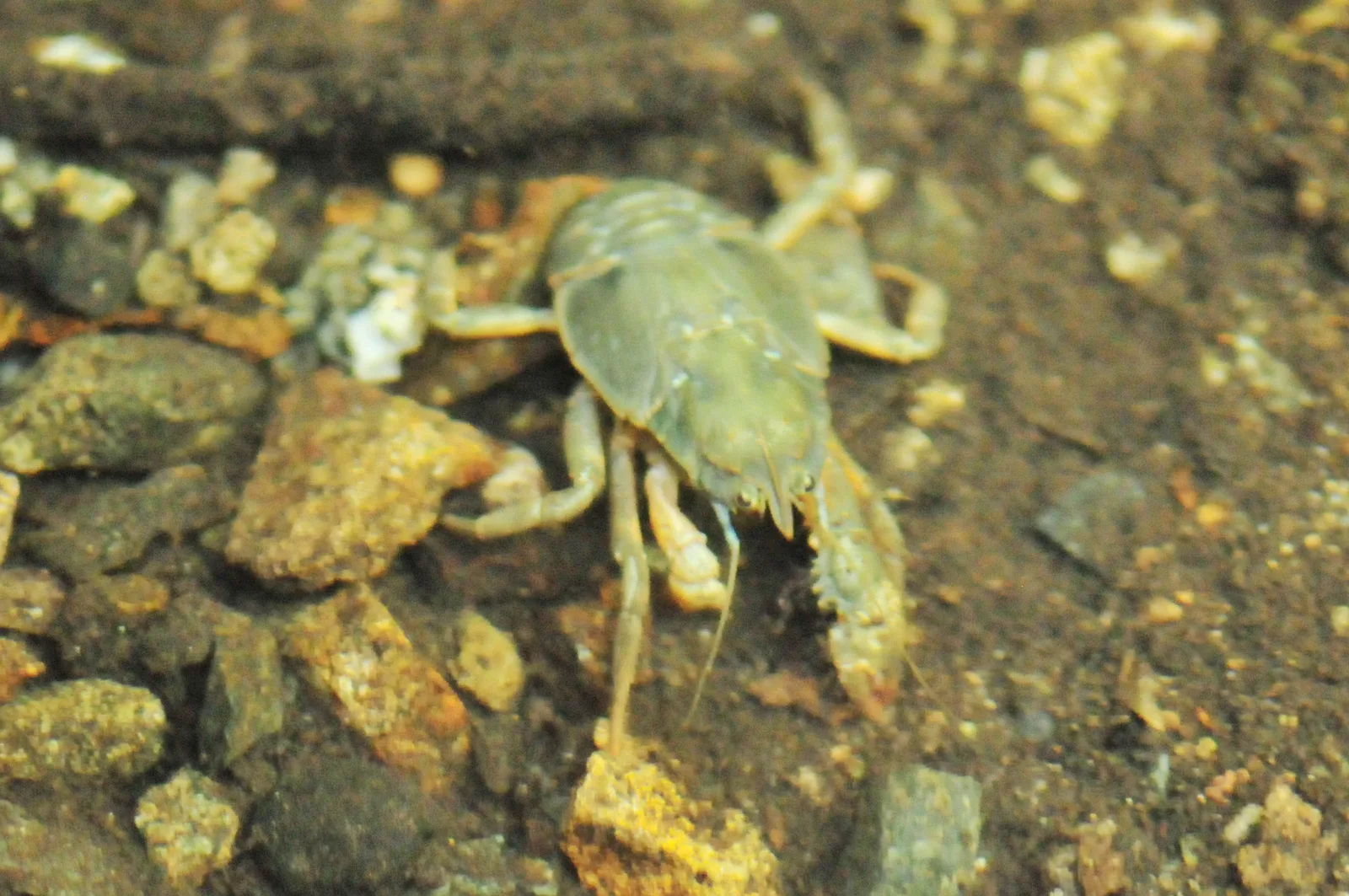
Focal speciesAegla papudo · freshwater crab · Critically Endangered · water-quality bioindicator
CT2 · Species

Threatened and endemic fauna

Mesocarnivores, rock and high-elevation reptiles, cliff and forest birds, small mammals and insects. Sixteen fauna species in a threat category in the Metropolitan Region.

Umbrella speciesLeopardus colocolo · colocolo cat · its home range spans every belt of the area
CT3 · Species

Threatened and endemic flora

Slope and rock flora, geophytes and herbs, and ravine flora. Fifteen flora species threatened in the region, sensitive to browsing, trampling and soil compaction by livestock.

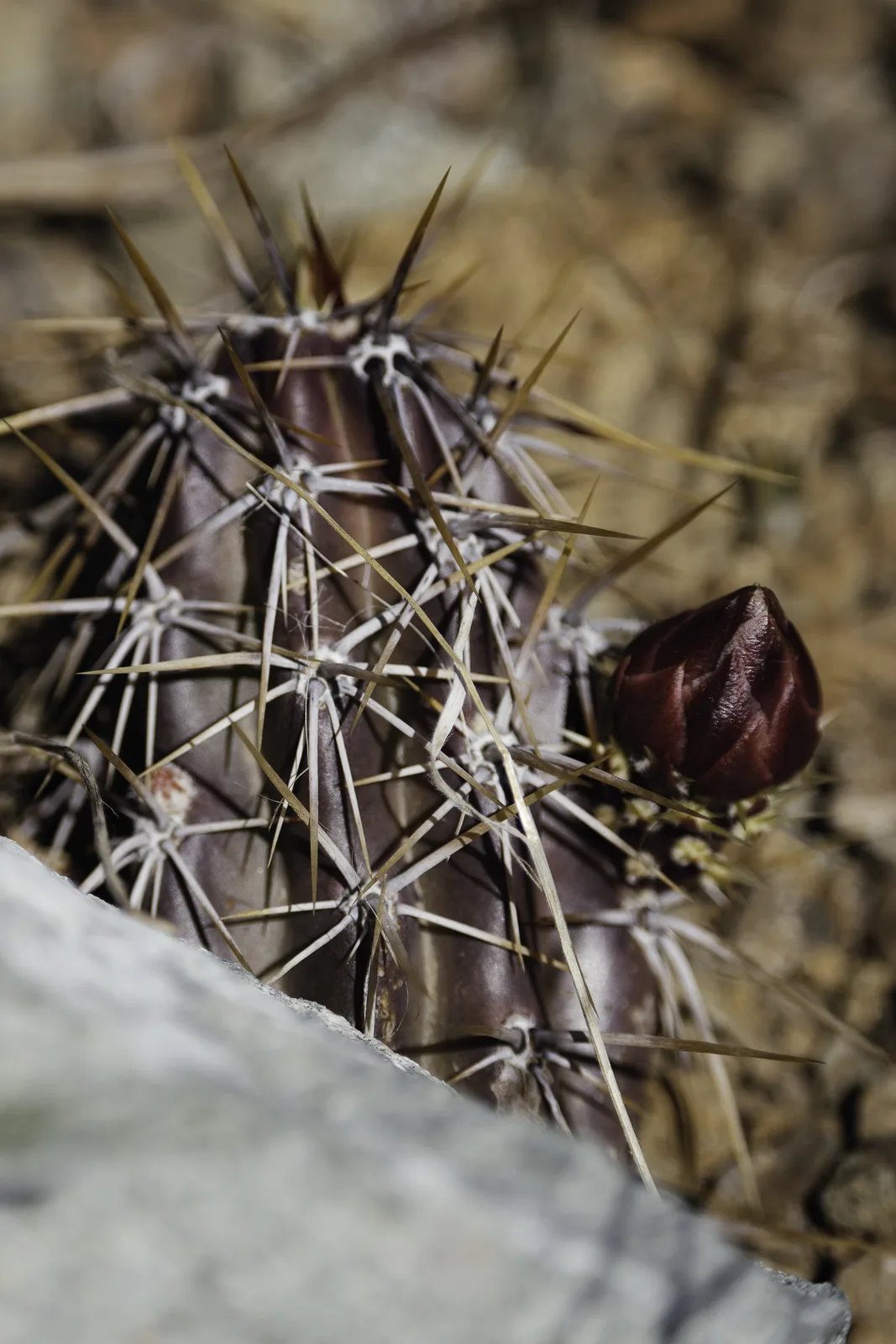
Focal speciesAustrocactus spiniflorus · Endangered and Rare · endemic
CT4 · Ecosystem

Relict hygrophilous forest

Lingue, luma, canelo and peumo in permanently humid ravines: 152.0 hectares of an azonal formation that is not counted in the representativeness statistics of the national protected-area system.

Constituent speciesPersea lingue (VU) · Drimys winteri (EN) · Luma chequen · Cryptocarya alba
CT5 · Ecosystem service

Soil and its organic cover

Native vegetation cover, the organic layer it generates and soil stability on steeply sloping ground. It retains soil, infiltrates water and protects the Huelquén valley from mass movements.

IndicatorsNDVI vegetation cover · fixed points without active erosion · operational fenced area
Method

How they are assessed

Each target has key ecological attributes, a measurable indicator and viability ranges in four states, following the Open Standards for the Practice of Conservation. Threats are rated with the IUCN-CMP taxonomy.

Ecosystems

Seven vegetation formations between 700 and 2,373 metres

El Ajial is a representative relict of central Chile's Mediterranean ecoregion, one of the planet's 36 biodiversity hotspots. The field-mapped vegetation formations tile the entire area.

  • Sclerophyllous forest979.1 ha · 45.9 %
  • Sclerophyllous scrub358.6 ha · 16.8 %
  • High-Andean steppe308.3 ha · 14.4 %
  • Andean scrub220.4 ha · 10.3 %
  • Hygrophilous forest152.0 ha · 7.1 %
  • Rock outcrops74.2 ha · 3.5 %
  • Thorn forest32.9 ha · 1.5 %

Formations measured in EPSG:32719 on the official polygon. Sclerophyllous forest (quillay, litre, peumo, frangel) is the area's matrix; hygrophilous forest occupies permanently humid ravines and the high-Andean steppe the sunny slopes above 1,500 m.

Inside the relict hygrophilous forest
Relict hygrophilous forest · 152.0 ha
30 %
of the region's classified species
With 0.14 % of the regional surface, El Ajial holds 89 of the 297 species with a conservation category and distribution in the Metropolitan Region.
21 %of the region's threatened species: 24 of 113
3 in 4classified mammals of the region are recorded in the area (19 of 25)
4species exclusive to the Metropolitan Region: Austrocactus spiniflorus, Liolaemus gravenhorstii, Nardophyllum genistoides and Pristidactylus volcanensis
Flagship species

Eight species that represent the reserve

Categories in force in the Metropolitan Region under the Species Classification Regulation. The location of sensitive species is not published.

Freshwater crab Aegla papudo in the stream
CR

Aegla papudo

Freshwater crab · endemic · water bioindicator
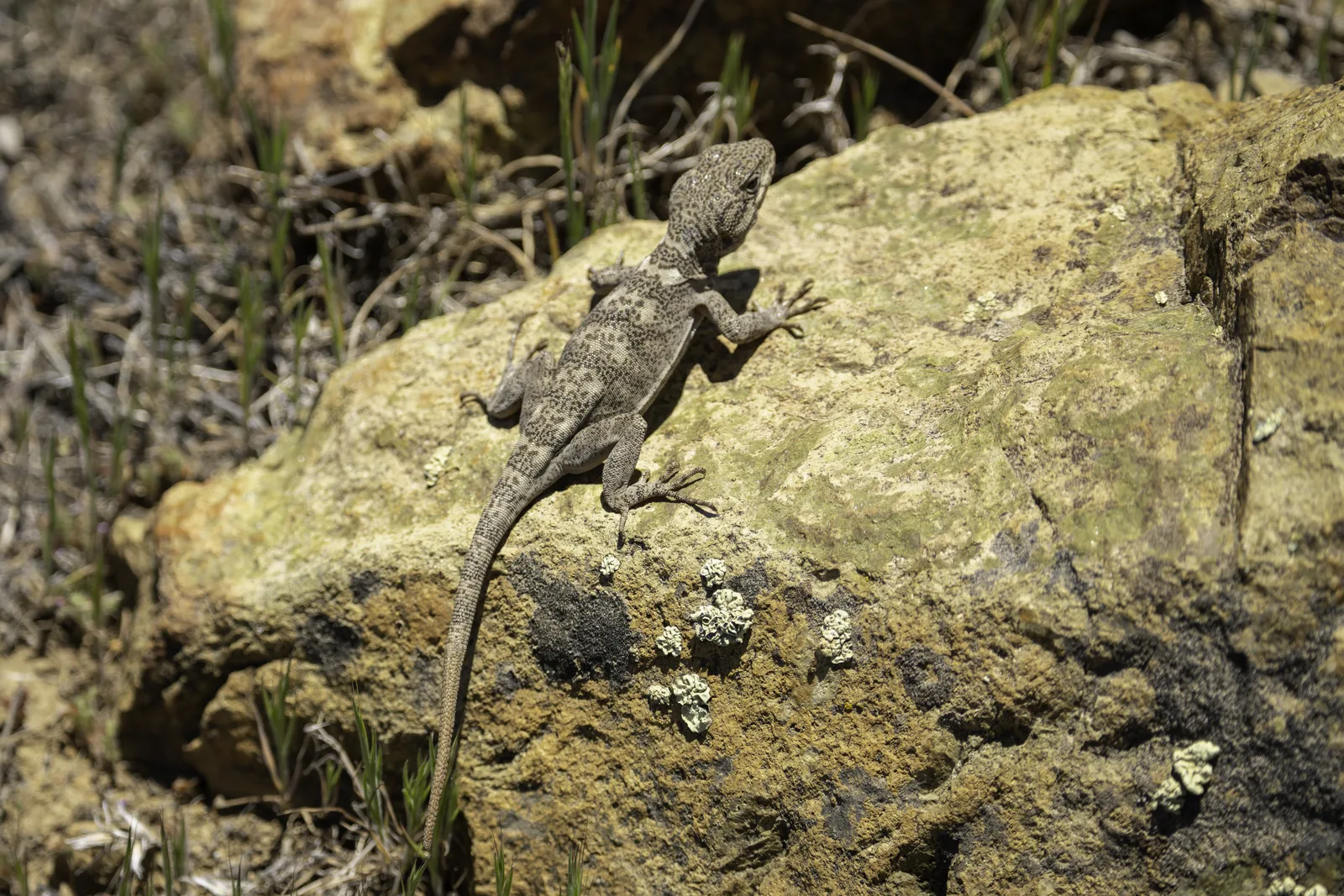
Volcano gruñidor lizard on a rock
EN

Pristidactylus volcanensis

Volcano gruñidor · endemic to the region · third known locality
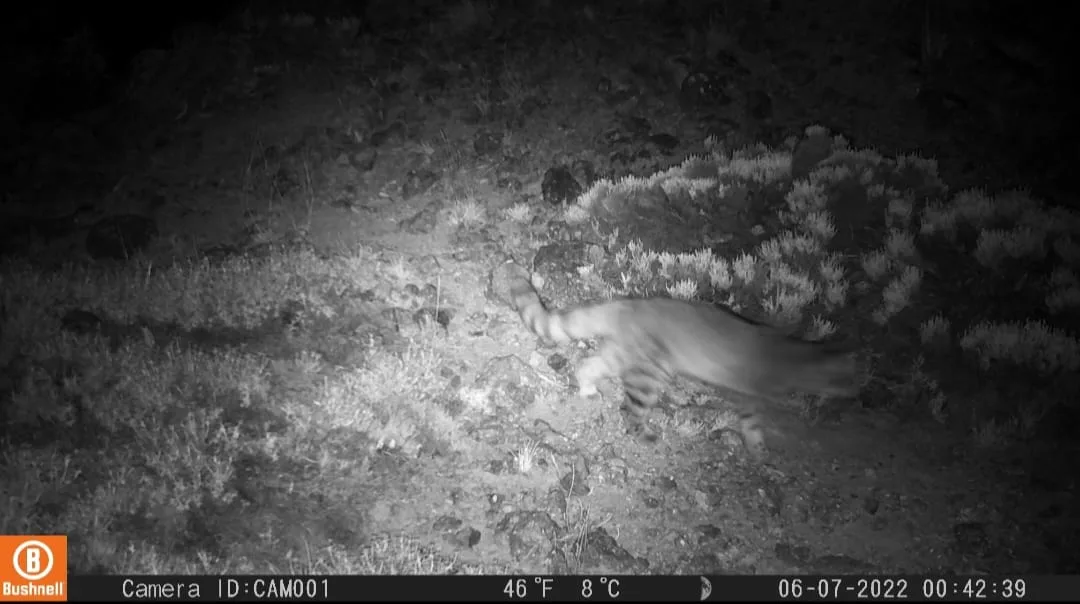
Andean cat recorded by camera trap
EN-R

Leopardus jacobita

Andean cat · first record in the area, 2022
Austrocactus spiniflorus on rock
EN-R

Austrocactus spiniflorus

Endemic cactus · focal species of the flora
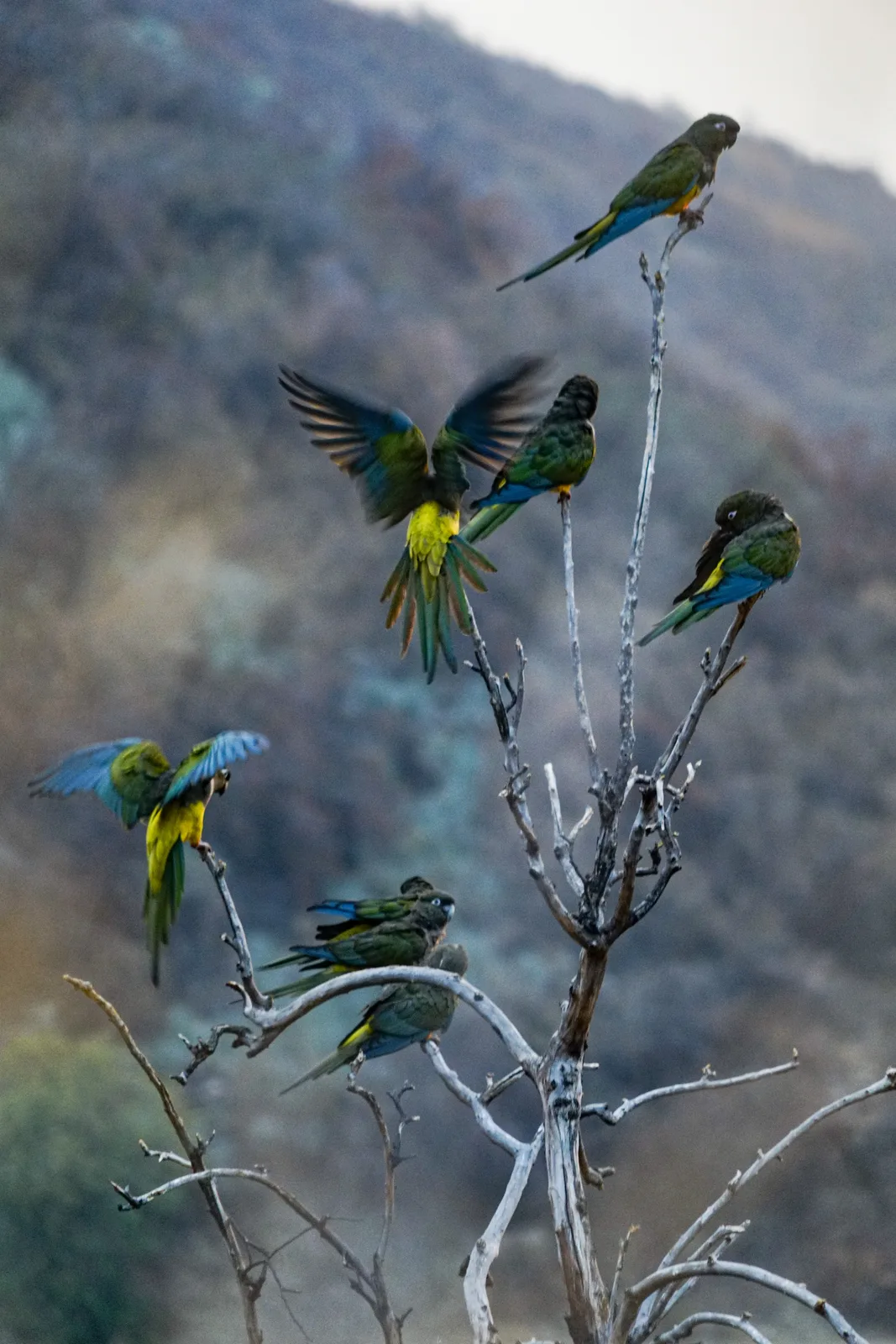
Burrowing parrots
VU

Cyanoliseus patagonus

Burrowing parrot · focal species of the birds
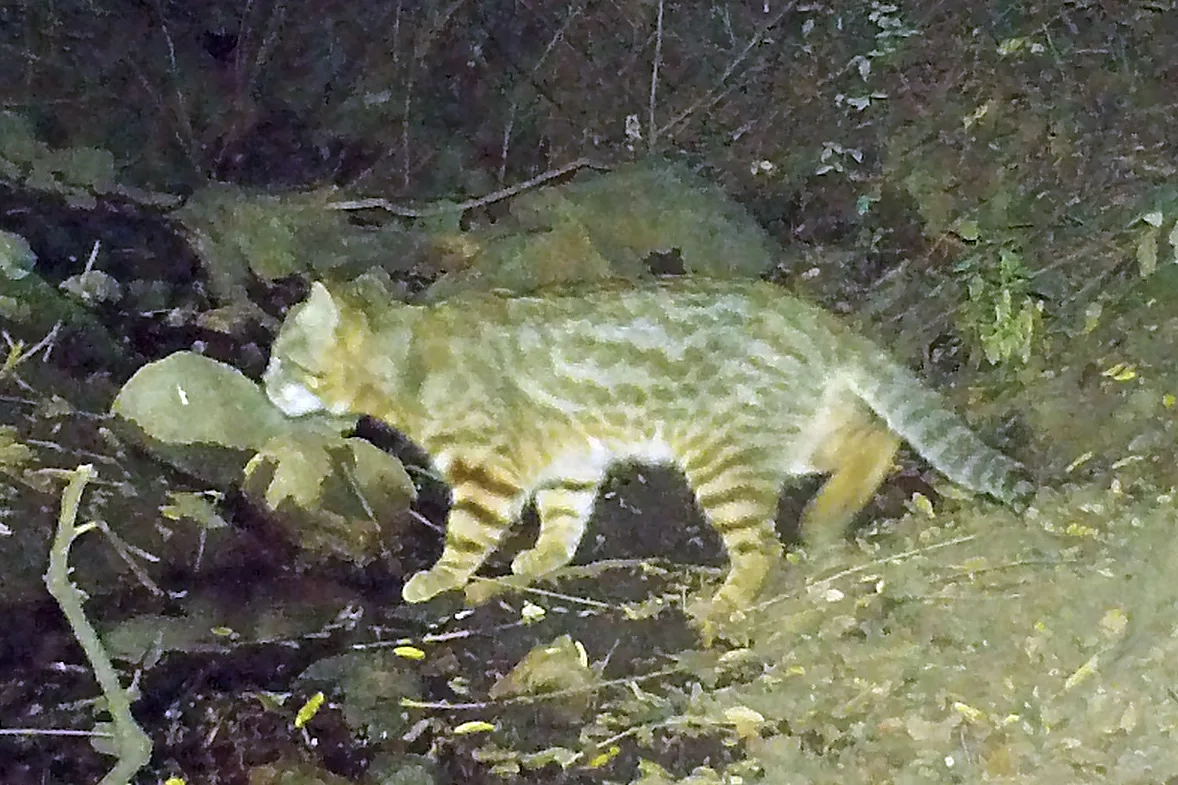
Colocolo cat
NT

Leopardus colocolo

Colocolo cat · umbrella species of the fauna
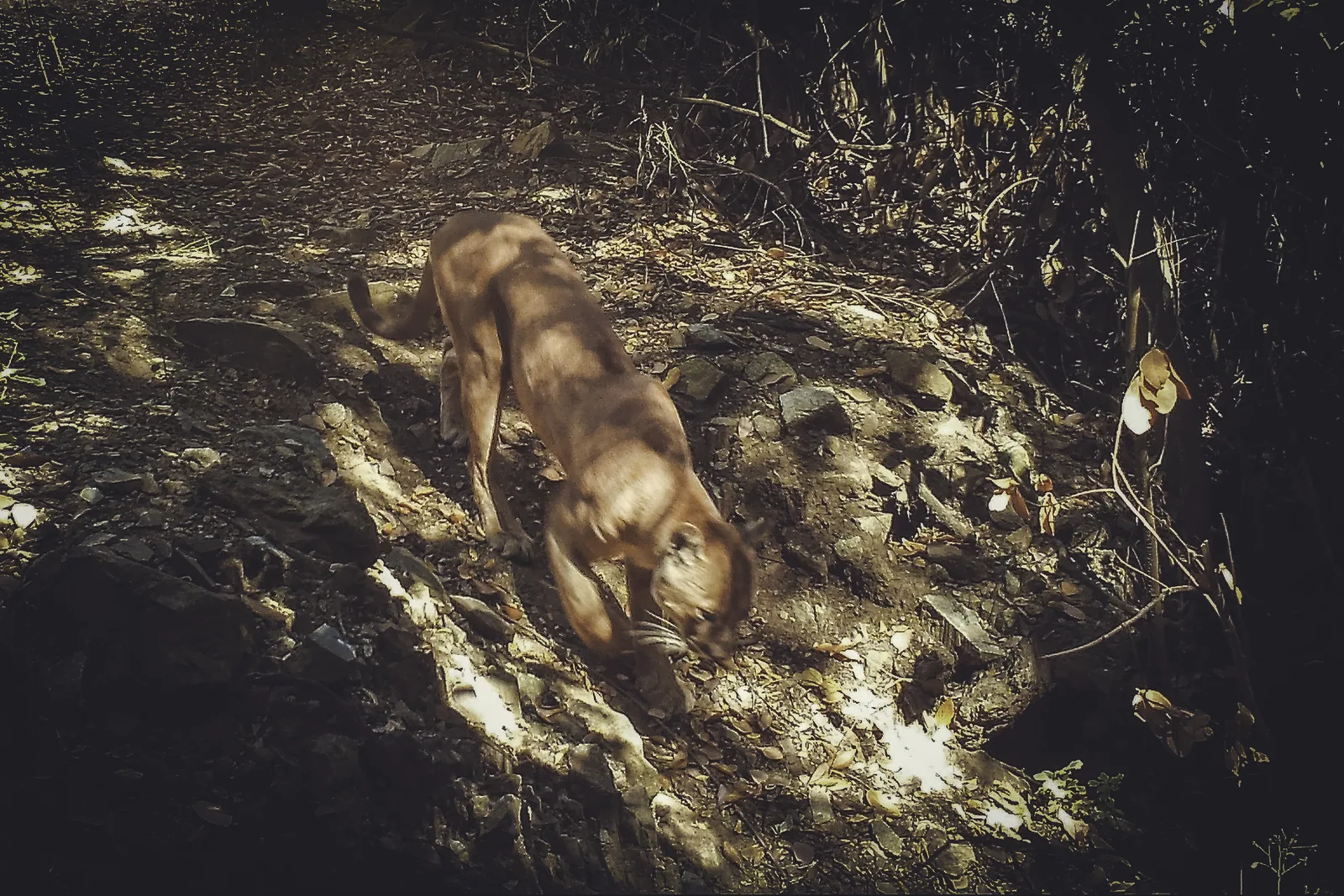
Puma on camera trap
NT

Puma concolor

Puma
Relict peumo trees of the hygrophilous forest
CT4

Cryptocarya alba

Peumo · constituent species of the relict hygrophilous forest
Species baseline · 2026

All 489 recorded species

Unified list validated, name by name, against the official list of the Ministry of the Environment's Species Classification Regulation (20th process, 8 June 2026). Filter by life form, category or endemism, or search by scientific or common name.

Method note. Categories are those in force in the Metropolitan Region. Of the 489 species, 263 are endemic to Chile, 104 are not and 122 have no confirmed endemism data (shown as “—”). The list comprises 326 plants, 159 animals and 4 fungi and lichens. Ten determinations at genus level or “aff.” are counted in the total and will be verified in the field. The records of Leopardus jacobita and Pristidactylus volcanensis are the Reserve's own, with photographic evidence; their location is not published. List cleaned of synonyms and duplicates on 3 November 2026. Common names are in Spanish.
489 / 489
Species baseline of El Ajial National Reserve, with scientific name, common name, life form, kingdom, conservation category in force in the Metropolitan Region and endemism
Loading species…

Source: Fundación Santuario de la Naturaleza El Ajial, unified species list v6 (3 November 2026), validated against the Ministry of the Environment's RCE list. Includes the vascular plant list by Nicolás García (IX National Native Flora Congress, 2026).